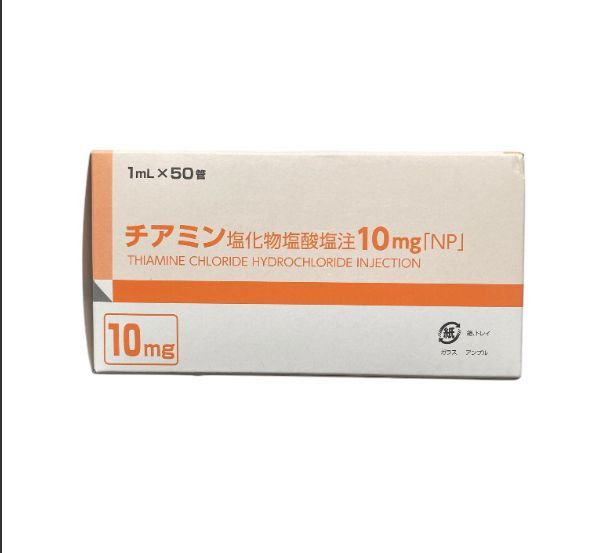
Thiamine Hydrochloride for Injection 50 mg 1 ml. (Vitamin B1) 50 ampoules
$172
Vitamin B1
In stock
1
Save this product for later
Thiamine Hydrochloride for Injection 50 mg 1 ml. (Vitamin B1) 50 ampoules
Product Details
Thiamine hydrochloride (vitamin B1): solution for injection
Thiamine hydrochloride in the form of a solution for injection (50 mg/ml, 1 ml in an ampoule) is a medicine that helps to replenish vitamin B1 deficiency and cope with conditions caused by its lack. Usually, the drug is available in packs of 10 ampoules, but a pack of 50 ampoules is not standard.
Composition and form of release
In 1 ml of the solution:
- active ingredient: thiamine hydrochloride (50 mg);
- excipients: sodium dimercaptopropanesulfonate monohydrate (unithiol), disodium edetate, water for injections.
The solution is a clear, colorless or slightly colored liquid with a slight characteristic odor. It is available in neutral glass ampoules.
Pharmacological action
Vitamin B1 is a water-soluble vitamin. In the body, it is converted into coenzyme A, a coenzyme involved in carbohydrate, protein, and fat metabolism, as well as in the transmission of nerve impulses.
Indications for use
- Hypovitaminosis and avitaminosis B1.
- Vitamin B1 deficiency in patients with diabetes mellitus, alcoholism, antibiotic treatment, chemotherapy, prolonged administration of hypertonic glucose solutions, or renal pathology in patients on hemodialysis.
- Beriberi disease.
- Pathologies of the nervous system (Wernicke's encephalopathy, mono- and polyneuropathies, neuralgia, myalgia, especially in the case of herpes zoster).
- Diseases of the cardiovascular system.
- Malabsorption syndrome and tube feeding.
The injection solution is used for the rapid elimination of vitamin B1 deficiency when oral administration is not possible.
Contraindications
- Individual sensitivity to the components of the drug.
- Pregnancy and lactation (if the benefit for the mother exceeds the risk for the fetus).
With caution: Wernicke's encephalopathy, premenopausal and menopausal periods in women.
Dosage and administration
The solution is administered intramuscularly.
For adults: 25-50 mg (0.5-1 ml) once a day. Start with small doses (no more than 0.5 ml), and if tolerated well, increase the dose by 25 mg. The maximum daily dose is 300 mg.
Treatment course: 10-30 injections.
Side effects
Possible allergic reactions (hives, itching, Quincke's edema, anaphylactic shock), increased sweating, and tachycardia. Sometimes there is pain at the injection site due to the low pH of the solution.
Interactions with other drugs
- It is not recommended to combine thiamine with pyridoxine (vitamin B6) or cyanocobalamin (vitamin B12), as B12 increases the allergy to thiamine, and B6 makes it difficult to activate.
- Do not mix thiamine with benzylpenicillin, streptomycin, nicotinic acid, or succinates in the same syringe, as this destroys antibiotics or vitamin B1.
- Thiamine reduces the effectiveness of suxamethonium, phentolamine, propranolol, reserpine, and sleeping pills.
- Thiamine is unstable in solutions with sulfites, as well as in alkaline and neutral environments. It is not recommended to combine it with carbonates, citrates, barbiturates, or copper preparations.
Customer reviews
Reviews only from verified customers
No reviews yet. You can buy this product and be the first to leave a review.
Display prices in:USD