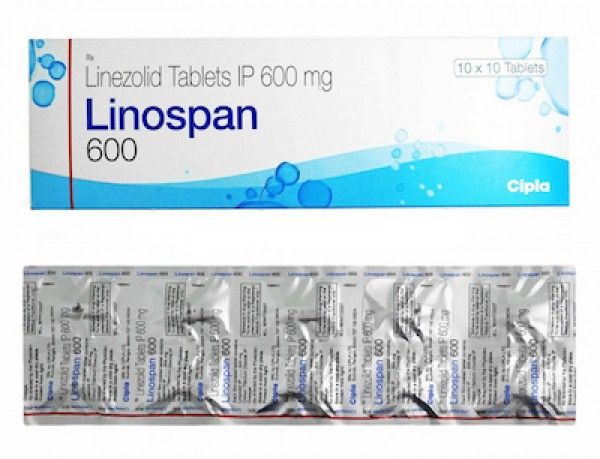
Linospan (Linezolid) 600mg 100 Tablets
$120
The antibiotic
The antibiotic
In stock
1
Save this product for later
Linospan (Linezolid) 600mg 100 Tablets
Product Details
Linezolid is an antibiotic from the oxazolidinone group. It inhibits bacterial protein synthesis, killing sensitive gram-positive microorganisms. It is used to treat bacterial infections.
Indications
Linezolid is used for infectious and inflammatory diseases caused by microorganisms that are sensitive to it:
- community-acquired pneumonia caused by Streptococcus pneumoniae (including resistant strains) or Staphylococcus aureus (only those that are sensitive to methicillin);
- Hospital-acquired pneumonia from Staphylococcus aureus (including methicillin-resistant strains) or Streptococcus pneumoniae (including resistant strains);
- Complicated skin and soft tissue infections (including diabetic foot syndrome without osteomyelitis) from Staphylococcus aureus (including methicillin-resistant strains), Streptococcus pyogenes, or Streptococcus agalactiae;
- Uncomplicated skin and soft tissue infections due to Staphylococcus aureus (only those sensitive to methicillin) or Streptococcus pyogenes;
- Infections due to vancomycin-resistant Enterococcus faecium (including bacteremia);
- As part of combination therapy for pulmonary tuberculosis caused by multidrug-resistant Mycobacterium tuberculosis strains.
Dosage
For adults and children over 12 years of age (at least 40 kg):
- community-acquired and hospital-acquired pneumonia, complicated and uncomplicated skin and soft tissue infections — 600 mg twice a day, course 10–14 days;
- infections of Enterococcus faecium, resistant to vancomycin — 600 mg twice a day, course 14–28 days;
- tuberculosis of the lungs in the intensive phase — 600 mg once a day, course 24 weeks.
Linezolid is taken with or after a meal. For children aged 3 to 11 years, the dosage is calculated based on weight (10 mg/kg), and the course and frequency of administration depend on the type of infection.
Patients who have started treatment intravenously can be switched to the oral form without changing the dose, as the oral bioavailability of the drug is almost 100%.
The duration of treatment depends on the type of infection, its location and severity, as well as the effectiveness of the therapy.
Contraindications**
The drug should not be taken in:
- Hypersensitivity to linezolid or the components of the drug;
- Simultaneous intake with MAO inhibitors (phenelzine, isocarboxazide, selegiline, moclobemide) and within two weeks after their cancellation;
- Uncontrolled arterial hypertension;
- Pheochromocytoma;
- Thyrotoxicosis;
- bipolar disorder, schizoaffective disorders, acute episodes of confusion;
- carcinoid syndrome or use with serotonin reuptake inhibitors (SSRIs), tricyclic antidepressants, 5-HT1 receptor agonists (triptans), meperidine or buspirone;
- taking adrenomimetics (bronchodilators, pseudoephedrine, phenylpropanolamine), vasoconstrictors (epinephrine, norepinephrine), dopamine, dobutamine, pethidine, or buspirone;
- hereditary fructose intolerance, lactase deficiency, glucose-galactose malabsorption;
- pregnancy and lactation;
- under the age of 18.
Side effects
The following side effects may occur when taking linezolid:
- headache, dizziness, convulsions, impaired taste, and neuropathy;
- diarrhea, nausea, vomiting, abdominal pain, constipation, and indigestion;
- increased blood pressure and arrhythmias;
- skin reactions (rash, itching, and bullous lesions);
- increased blood levels of urea and creatinine, and renal failure;
- anemia, thrombocytopenia, and leukopenia.
Customer reviews
Reviews only from verified customers
No reviews yet. You can buy this product and be the first to leave a review.
Display prices in:USD