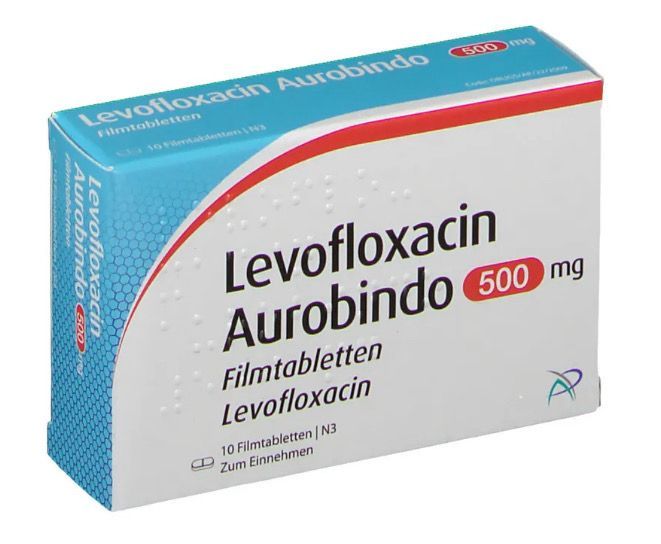
Levofloxacin 500 mg 10 Tablets
$48
The antibiotic
Antibiotic
In stock
1
Save this product for later
Levofloxacin 500 mg 10 Tablets
Product Details
Levofloxacin is an antibiotic from the group of fluoroquinolones, which has a broad spectrum of action. The active substance is levofloxacin, a levorotatory isomer of ofloxacin. The drug is available in the form of tablets, coated with a film, and is strictly available by prescription.
Indications for use
Levofloxacin is used to treat infectious and inflammatory diseases caused by microorganisms sensitive to the drug. The main indications are:
- community-acquired pneumonia,
- complicated urinary tract infections and pyelonephritis,
- chronic bacterial prostatitis,
- skin and soft tissue infections,
- complex treatment of drug-resistant tuberculosis,
- prevention and treatment of anthrax through airborne infection.
The drug can also be used as an alternative to other antibiotics for acute sinusitis, exacerbation of chronic bronchitis, and uncomplicated cystitis.
Contraindications
Levofloxacin should not be taken in the following cases:
- hypersensitivity to fluoroquinolone antibiotics,
- epilepsy,
- tendon damage after taking quinolones,
- pregnancy and breastfeeding,
- children and adolescents (under 18 years of age).
Dosage and administration
Levofloxacin is taken orally once or twice a day, without chewing, with at least 0.5-1 glass of water. Can be taken before or after a meal.
The dosage is selected individually, depending on the type and severity of the infection, as well as the sensitivity of the pathogen. Examples:
- for acute sinusitis - 500 mg once a day, 10-14 days,
- for exacerbation of chronic bronchitis - 250 or 500 mg once a day, 7-10 days,
- for community-acquired pneumonia — 500 mg 1–2 times a day, 7–14 days,
- for uncomplicated urinary tract infections — 250 mg once a day, 3 days,
- for chronic bacterial prostatitis — 500 mg once a day, 28 days,
- for complicated urinary tract infections or pyelonephritis — 250 mg once a day, 7–10 days,
- for skin and soft tissue infections: 250-500 mg 1-2 times a day for 7-14 days.
Treatment should be continued for 48 to 72 hours after the symptoms have resolved.
Side effects
Possible side effects include:
- Nervous system: headache, dizziness, drowsiness, tremors, and seizures.
- Gastrointestinal: diarrhea, nausea, vomiting, abdominal pain, and flatulence.
- **Skin: rash, itching, hives, increased sweating.
- Musculoskeletal system: joint and muscle pain, tendon damage, muscle weakness.
- Immune system: Quincke's edema, anaphylactic shock.
Customer reviews
Reviews only from verified customers
No reviews yet. You can buy this product and be the first to leave a review.
Display prices in:USD