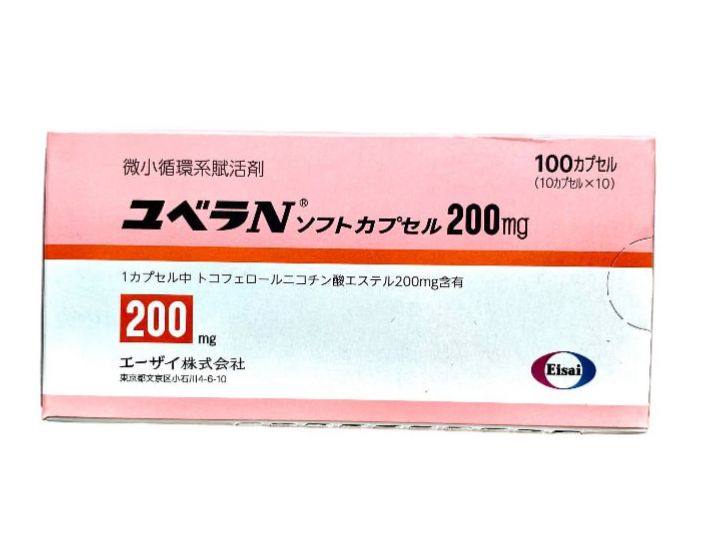
Juvela N Soft (Vitamin E) 200 mg 100 capsules.
$45
Vitamin E
Vitamins.
In stock
1
Save this product for later
Juvela N Soft (Vitamin E) 200 mg 100 capsules.
Product Details
Vitamin E is a fat-soluble substance with powerful antioxidant properties. It exists in eight forms that differ in their activity.
The main functions of vitamin E are:
- Protecting cells from damage. It prevents premature aging and reduces the risk of diseases caused by oxidative stress, such as cataracts, arthritis, hypertension, and cancer.
- Supporting the heart. Tocopherol blocks enzymes that produce cholesterol, which helps to lower its levels and prevent atherosclerosis.
- Effects on the reproductive system. In women, vitamin E is involved in the production of estrogen and progesterone, and it controls the maturation of eggs, ovulation, and fertilization. During pregnancy, it is important for the formation of the placenta and the development of the fetus. In men, vitamin E stimulates the production of testosterone and improves sperm quality.
- Strengthening the immune system. In combination with vitamins A and D, it reduces inflammation in the respiratory tract and reduces the risk of respiratory infections.
- Beauty of the skin and hair. Vitamin E helps with acne and psoriasis, strengthens hair, and improves scalp circulation, making it a popular ingredient in shampoos and hair masks.
Vitamin E is not synthesized in the body and can only be obtained through food. The best sources are vegetable oils, nuts, and legumes. It is also found in small amounts in fish, eggs, meat, and milk.
The daily requirement for vitamin E depends on gender, age, and body weight. The dosage is determined by a doctor based on medical tests.
Excess vitamin E is dangerous and can disrupt the body's functioning. It is important to consult a doctor before taking supplements.
Customer reviews
Reviews only from verified customers
No reviews yet. You can buy this product and be the first to leave a review.
Display prices in:USD