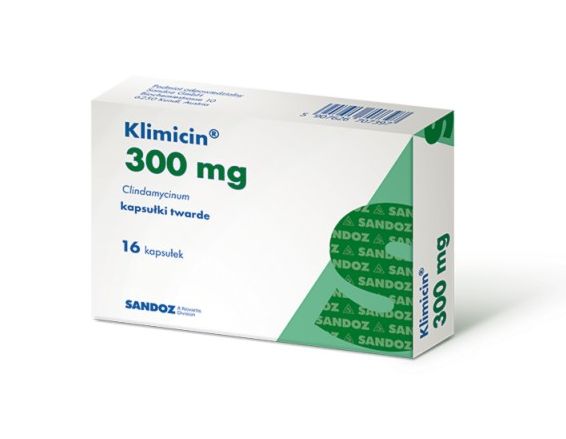
Climicin (Clindamycin) 300 mg 16 capsules
$34
The antibiotic
The antibiotic
In stock
1
Save this product for later
Climicin (Clindamycin) 300 mg 16 capsules
Product Details
«Clindamycin» is an antibiotic from the group of lincosamides. It is available in the form of capsules of 150 mg. It is available by prescription.
Indications
The drug is used for infectious and inflammatory diseases caused by sensitive microorganisms. The main indications are:
- Infections of the respiratory tract (pharyngitis, tonsillitis, sinusitis, otitis, pneumonia, lung abscess, bronchitis);
- Infections of the genitourinary system (chlamydia, vaginitis, endometritis, tubo-ovarian inflammation);
- Skin infections (infected wounds, abscesses, boils);
- Infections of the abdominal cavity (peritonitis, abscess);
- Infections of the oral cavity;
- Osteomyelitis;
- Septicemia;
- Bacterial endocarditis;
- Prevention of infections after intestinal surgery.
Contraindications
The drug is contraindicated in:
- Myasthenia;
- Bronchial asthma;
- Ulcerative colitis in the anamnesis;
- Galactose intolerance or lactase deficiency (for capsules);
- Pregnancy and lactation;
- Age under 8 years (for capsules);
- Hypersensitivity to clindamycin.
With caution prescribed in liver and renal failure, as well as the elderly.
Method of application
For adults and children over 15 years of age:
- For mild infections, take 1 capsule (150 mg) 4 times a day.
- For severe infections, take up to 2-3 capsules (300-450 mg) 4 times a day.
For children aged 8 to 15 years: the dosage depends on weight and age.
- From 8 to 12 years of age, take 1 capsule 4 times a day.
- From 12 to 15 years old — 1 capsule 3 times a day.
Long-term use in children requires monitoring of blood and liver function.
Side effects
Possible side effects:
- Digestive system: abdominal pain, nausea, vomiting, diarrhea, and liver dysfunction;
- Musculoskeletal system: impaired neuromuscular conduction;
- Blood: decreased levels of leukocytes, neutrophils, and platelets;
- allergic reactions: rash, itching, hives;
- cardiovascular system: decrease in blood pressure, dizziness upon rapid intravenous administration;
- local reactions: pain, irritation at the injection site.
Customer reviews
Reviews only from verified customers
No reviews yet. You can buy this product and be the first to leave a review.
Display prices in:USD