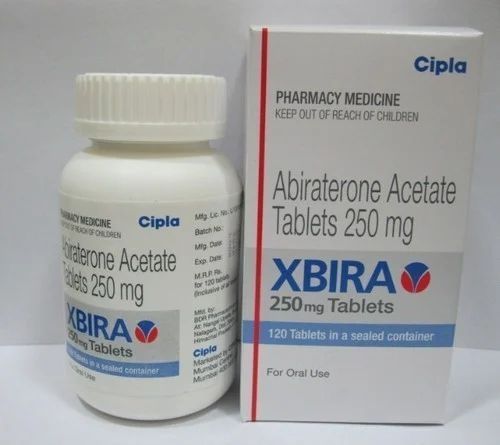
Abiraterone 250 mg 120 tablets.
$120
Oncology
A drug for the treatment of prostate cancer
In stock
1
Save this product for later
Abiraterone 250 mg 120 tablets.
Product Details
«Abiraterone» is a drug from the class of androgen inhibitors, used to treat prostate cancer. The active substance - abiraterone - blocks the CYP17 enzyme involved in the synthesis of male hormones, which slows down the growth of cancer cells.
The drug is available in the form of film-coated tablets, 120 pieces in a pack. It is available by prescription.
Indications for use
"Abirateron" is prescribed for metastatic castration-resistant prostate cancer (in combination with prednisolone). The drug is effective in the following cases:
- Metastases in the bones or other organs if the tumor has spread beyond the prostate gland;
- Tumor resistance to previous treatment after surgical castration or the use of anti-hormonal drugs.
Contraindications
The drug is contraindicated in the following cases:
- Allergies to the drug's components;
- Under the age of 18;
- Moderate and severe liver failure;
- Severe renal failure.
With caution prescribed for:
- Lactase deficiency or lactose intolerance;
- Glucose-galactose malabsorption;
- Diseases in which increased pressure or decreased potassium levels can worsen the condition (e.g. heart failure, myocardial infarction, ventricular arrhythmia).
"Abiraterone" is not intended for women.
Method of administration and doses
The recommended daily dose is 1 gram (4 tablets of 250 mg) once a day. The drug is taken one hour before a meal or two hours after a meal. The tablets are swallowed whole with water.
Important:
- The drug should not be taken with food;
- It is not recommended to eat within one hour after taking the drug;
- If there are signs of hepatotoxicity (an increase in ALT or AST values by five times, bilirubin by three times), treatment is discontinued until the indicators return to normal.;
- In case of severe hepatotoxicity, treatment is permanently discontinued.
During therapy, it is important to visit a doctor regularly to monitor the condition and adjust the dose.
Side effects
Possible side effects include:
- Liver: hepatotoxicity, increased activity of ALT, AST and bilirubin;
- **Urinary system: urinary tract infections, hematuria;
- Cardiovascular system: arterial hypertension, heart failure, arrhythmia, angina pectoris, tachycardia, atrial fibrillation;
- Digestive system: dyspepsia;
- Musculoskeletal system: fractures (except pathological);
- Endocrine system: adrenal insufficiency;
- Respiratory system: allergic alveolitis;
- Laboratory tests: hypokalemia, hypertriglyceridemia.
Customer reviews
Reviews only from verified customers
No reviews yet. You can buy this product and be the first to leave a review.
Display prices in:USD